Skip to content
whatsapp image 2025 10 12 at 08.50.37 91adde4f
  • Falconry News & Updates
  • Pets Life
  • Birds
  • About UsExpand
    • Contact Us
    • Disclaimer
    • Privacy Policy
    • Terms & Conditions
Facebook YouTube Linkedin
whatsapp image 2025 10 12 at 08.50.37 91adde4f
  • The truth is that dog care is not just a responsibility, but a deep bond of love and trust. Dogs are naturally loyal and sensitive, and they are happiest in an environment where love is accompanied by discipline. By following this guide based on a high-quality diet, regular exercise, timely medical care and positive training, you can ensure that your silent companion does not just survive, but lives a full life. The more time and attention you spend on your dog's well-being today, the more selfless love and happiness they will return to you for years to come. Spend time with them daily, treat them with kindness and speak to them in a gentle tone. Your dog does not need a palace to live in; they just need a responsible and loving guide to support them on their journey through life. 1. Precision Nutrition: Building the Foundation of Longevity Your dog's long and healthy life depends largely on his diet. A balanced diet not only provides him with energy, but it also strengthens his immune system, keeps his organs healthy, and makes his coat shiny. Choosing High-Quality Food When buying dog food, it's important to remember the "first five" rule, because the first five ingredients on the package determine the actual nutrition. Always choose a food that includes these things: Real protein: The first should be pure chicken, beef, or lamb, not just bones or offal. Healthy fats: The omega-3 and omega-6 fats found in fish oil or flaxseeds keep their brain sharp and their skin glowing. Best carbohydrates: Sweet potatoes or brown rice are better than cheaper alternatives like corn or soybeans, as they keep your dog energized for longer. The Dangers of Human Food Dogs have a completely different metabolism than humans. Many things that are healthy for us can be deadly for them. Avoid these in particular: Xylitol: This is an artificial sweetener found in chewing gum and some peanut butters that can quickly damage a dog’s liver. Grapes and raisins: These can cause sudden kidney failure in dogs. Cooked bones: Unlike raw bones, cooked bones dry out and become weak and can break into sharp pieces when chewed, which can injure or puncture a dog’s intestines. Feeding Schedules and Hydration Establish a regular feeding schedule for your pet to help them stay healthy. Small puppies should be fed three to four times a day in small portions to maintain their energy levels, while larger dogs do best on two meals a day. Always provide them with clean, filtered water and wash their water bowls thoroughly every day to prevent the build-up of bacteria that can negatively impact their digestive system. 2. Strategic Exercise and Mental Enrichment Physical health is only half the battle; mental health is equally vital. A bored dog is often a "bad" dog. Destructive behaviors like chewing furniture or excessive barking are usually cries for mental stimulation. Tailored Physical Activity Exercise according to the physical needs of dogs: High-energy dogs: They need one to two hours of vigorous exercise, running or keeping them busy with something every day. Dogs with small mouths: These dogs may have difficulty breathing, so only take them for short, light walks. Sniffing: Let your dog find his way with his nose during the walk (i.e. let him sniff things). Sniffing things tires the dog's mind and gives him a lot of peace and joy. Mental Gymnastics Invest in puzzle feeders or "snuffle mats." Forcing a dog to "hunt" for their kibble engages their natural instincts and prevents the cognitive decline often seen in senior dogs. 3. The Art of Grooming: More Than Just Aesthetics Grooming is your primary opportunity to perform a "home physical" on your dog. Regular sessions allow you to spot lumps, ticks, or skin irritations before they become major medical issues. Coat Care and Skin Health Here are some things you can do to protect your dog's skin and coat: Brushing: Even short-haired dogs should be brushed once a week, as this spreads the natural oils from their skin over their entire body and removes dead hair. Bathing: Bathing your dog too often strips them of their natural oils, which can lead to itching or skin disease. If your dog is not very dirty, bathing them every 4 to 6 weeks with a special dog shampoo is sufficient. The Forgotten Essentials: Ears, Nails, and Teeth Essentials we often forget: Ears, Nails, and Teeth Dental Cleaning: Dental disease is the most common problem in dogs. Brush their teeth at least three times a week with a special dog toothpaste. Nail Care: If you hear your dog's nails 'clicking' on the floor while walking, it's a sign that they've grown too long. Long nails can cause the bones in the paws to bend, which can lead to joint pain. Ear Inspection: Check the inside of the ears once a week; if they're red or smelly, it could be a sign of infection. Be especially careful with dogs with long, floppy ears (like Labradors). 4. Preventative Veterinary Care: The Proactive Approach Modern veterinary medicine focuses on prevention rather than just treatment. Being a responsible owner means staying ahead of potential illnesses. Annual Wellness Exams A veterinarian can easily detect abnormal heart rhythms or internal problems that an average owner might not notice. It is especially good for older dogs (over 7 years old) to have their kidneys and liver checked twice a year through blood tests to monitor their functioning. The Vaccination Shield These vaccines and medications are essential for a healthy pet: Basic vaccines: Rabies vaccination is legally required and is a life-threatening disease. In addition, the DHPP vaccine protects dogs from four major and dangerous diseases. Flea and heartworm prevention: Heartworms, fleas, and ticks are not only annoying, but they also spread dangerous diseases. Monthly vaccinations are essential for the complete protection of your pet. 5. Training, Socialization, and Emotional Well-being A trained dog is essentially an independent dog. When a dog obeys commands like "stay" or "come," it has safer opportunities to roam around without a leash and meet other people outside. The Power of Positive Reinforcement Give up the old ways of bullying your dogs because according to modern science, dogs learn best when they are rewarded. To instill good habits, give them tasty treats like boiled chicken and avoid punishment altogether, as this can make the dog fearful and aggressive, which is very difficult to correct. Early Socialization Socialization of puppies The period from 3 to 16 weeks of age is very important for puppies. During this time, it is important to expose them to new things: Different sounds: such as vacuum cleaners, car horns or sirens. Different places: such as walking on grass, gravel or unpaved roads. Different people: introducing them to children, people carrying umbrellas or people wearing hats. Benefits: A puppy that has been well trained in childhood grows up to be confident and is not afraid or nervous when seeing unfamiliar things or situations. Managing Separation Anxiety Dogs are social animals and can feel lonely or abandoned when you leave them. To solve this problem: Keep your routine: Don’t make a big deal out of it when you leave or come back home. Leave your scent: Place a worn-out piece of clothing (like an old T-shirt) in their bed. Your scent will help them relax. Calm environment: Use “white noise” (like a fan running continuously) or soothing “diffusers” to keep the atmosphere at home calm. 6. Safety and Environmental Management Your home should be a peaceful haven for your pet. “Dog-proofing” your home is an ongoing process. 1. Indoor Safety Trash Cans: Keep trash cans tightly closed so your dog can’t chew on them (to prevent “garbage gut”). Chemicals: Store household cleaning chemicals in high cabinets where your dog can’t reach them. Poisonous Plants: Many common plants, such as lilies and sago palms, are highly toxic to dogs. 2. Outdoor Safety Fence: A secure fence or perimeter around your home is essential. Don't tie up: Never leave your dog tied up outside for long periods of time. This can cause aggression and physical harm to the dog due to the harsh weather. 3. Identification Microchip and Tag: Even the most well-trained dog can run away from something. Make sure that: Your dog is microchipped. He is wearing a collar with an ID tag and your latest contact number clearly written on it. 7. Caring for Your Senior Companion "As your dog ages, his needs change. Orthopedic Support: Provide a soft memory foam bed to help relieve and comfort aging joints. Dietary Changes: Older dogs often need fewer calories but more fiber. Add joint-strengthening supplements (such as Glucosamine and Chondroitin) to their diet. Cognitive Support: Keep their brain sharp and alert with gentle exercise and exposure to new scents.
    Pets Life

    The Complete Guide to Dog Care: How to Keep Your Dog Happy, Healthy, and Active

    Byadnandeveloper03407047746 October 16, 2025April 3, 2026

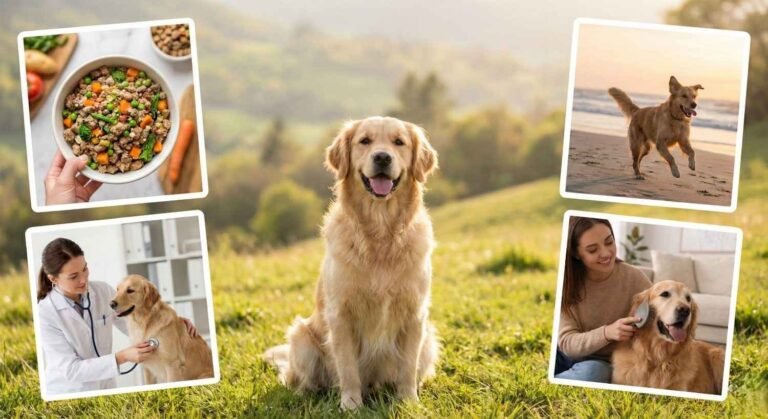
    The truth is that dog care is not just a responsibility, but a deep bond of love and trust. Dogs are naturally loyal and sensitive, and they are happiest in an environment where love is accompanied by discipline. By following this guide based on a high-quality diet, regular exercise, timely medical care and positive training,…
    Read More The Complete Guide to Dog Care: How to Keep Your Dog Happy, Healthy, and ActiveContinue

  • Parrot Diet: The Complete and Comprehensive Guide to Feeding Your Parrot (2026)
    Birds

    Parrot Diet: The Complete and Comprehensive Guide to Feeding Your Parrot (2026)

    Byadnandeveloper03407047746 October 15, 2025April 28, 2026

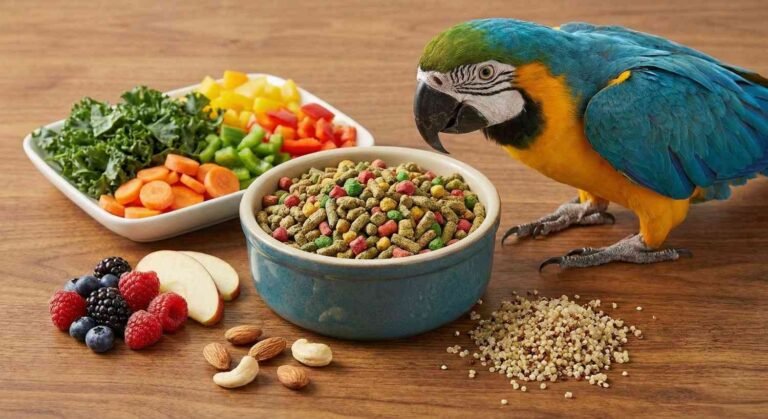
    The Starving Bird with the Full Bowl: A New Paradigm in Parrot Nutrition If you really want to understand what the best food for a parrot is, first get rid of that old image of a parrot happily scratching and eating sunflower seeds. This scene may look cute, but in reality, this is the misconception…

    Read More Parrot Diet: The Complete and Comprehensive Guide to Feeding Your Parrot (2026)Continue

  • Wild Birds
    Birds

    Wild Birds: Guardians of the Sky and Earth

    Byadnandeveloper03407047746 October 14, 2025April 28, 2026

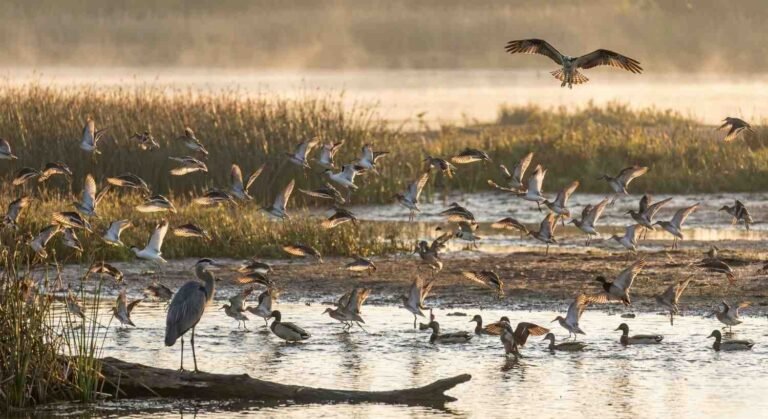
    Wild birds are the free spirits of nature. From the frozen ice fields of Antarctica to the dense and hot forests of the Amazon, they are the largest and most beautiful signs of life everywhere in the world. There are more than 10,000 of them. These birds are not just decorations in the sky, but…

    Read More Wild Birds: Guardians of the Sky and EarthContinue

  • Northern Flicker North
    Birds

    Northern Flicker North America’s Beautifully Colorful Woodpecker

    Byadnandeveloper03407047746 October 10, 2025April 28, 2026

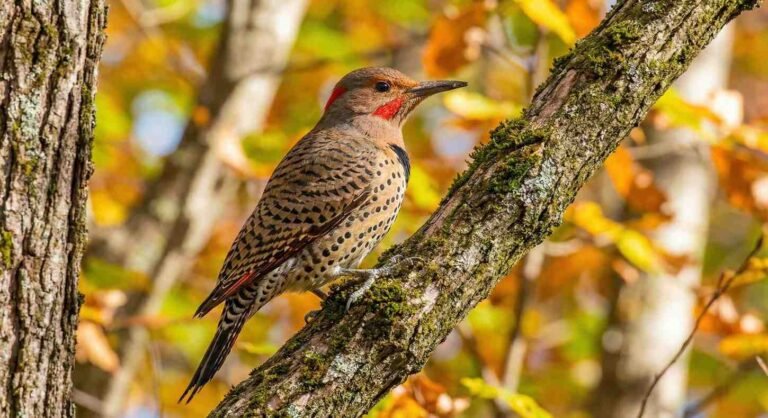
    The Northern Flicker is a bird that is called by many names. In Alabama, it is the state bird, known affectionately as the Yellowhammer a nickname dating back to the Civil War when Confederate soldiers from Alabama wore uniforms with yellow trim that resembled the bird’s wing flash. In other regions, it has been called…

    Read More Northern Flicker North America’s Beautifully Colorful WoodpeckerContinue

  • Falcon Training And Technique
    Falconry News & Updates

    Falcon Training And TechniqueThe Sky’s Tether: The Ancient Art and Modern Science of Falconry Training

    Byadnandeveloper03407047746 October 7, 2025April 3, 2026

    Falcon training is an art that not only demands patience, but also demands that a person fundamentally change their attitude towards nature and wildlife. Unlike training a dog or a horse, training a bird of prey does not depend on force or coercion, but entirely on trust and reward (food). For a novice falconer, understanding…

    Read More Falcon Training And TechniqueThe Sky’s Tether: The Ancient Art and Modern Science of Falconry TrainingContinue

  • Peregrine Falcon
    Falconry News & Updates

    The Ultimate Guide to the Peregrine Falcon: The Fastest Animal on Earth

    Byadnandeveloper03407047746 August 28, 2025April 28, 2026

    Peregrine Falcon – The Fastest Bird In The World The peregrine falcon is one of the most famous birds in the world. It is a masterpiece of nature that has no equal among all birds of prey. For centuries, humans have been fascinated by its amazing flight, keen eyesight, and dangerous hunting skills. This bird…

    Read More The Ultimate Guide to the Peregrine Falcon: The Fastest Animal on EarthContinue

Page navigation

Previous PagePrevious 1 2 3

© 2026 Falconry News - WordPress Theme by Kadence WP

  • Falconry News & Updates
  • Pets Life
  • Birds
  • About Us
    • Contact Us
    • Disclaimer
    • Privacy Policy
    • Terms & Conditions
Search