The Ultimate Guide to Choosing, Placing, and Managing a Deer Feeder
Whether you are managing a sprawling rural estate in the United Kingdom or prepping your private hunting acreage in the United States, managing local wildlife is a year-round commitment. One of the most effective tools for monitoring, nourishing, and maintaining healthy local herds is a high-quality deer feeder. A well-placed, properly managed deer feeder does…
Whether you are managing a sprawling rural estate in the United Kingdom or prepping your private hunting acreage in the United States, managing local wildlife is a year-round commitment. One of the most effective tools for monitoring, nourishing, and maintaining healthy local herds is a high-quality deer feeder.
A well-placed, properly managed deer feeder does much more than just dispense food. It serves as a nutritional supplement station during harsh winters, a focal point for trail camera surveys, and a vital component of a broader land management strategy. However, setting one up involves more than simply dumping corn into a bucket.
In this comprehensive guide, we will break down exactly how to choose the right deer feeder for your property, what kind of feed yields the best results, and the crucial mistakes you need to avoid to ensure your local deer population stays healthy and abundant.
Why You Need a Reliable Deer Feeder on Your Property
For landowners and wildlife enthusiasts, adding a feeding station to your property offers several major benefits that go beyond simply attracting animals to a specific location.
1. Supplemental Nutrition and Herd Health
In the wild, a deer’s diet fluctuates drastically with the seasons. During the lush spring and summer months, natural browse is plentiful. However, late winter and early spring can be brutally unforgiving. A deer feeder provides essential calories when natural food sources like acorns, wild grasses, and agricultural crops are depleted or covered in deep snow. Supplying high-quality protein and fats during these stress periods helps pregnant does carry healthy fawns and allows bucks to recover from the physical toll of the rut (mating season).
2. Enhancing Antler Growth
For those managing Whitetail, Roe, or Fallow deer specifically for their antlers, nutrition is the name of the game. While genetics and age play massive roles in antler development, a deer cannot reach its genetic potential without adequate protein and minerals. Protein-focused feeders give bucks the building blocks they need during the spring and summer antler-growing periods.
3. Wildlife Observation and Population Surveys
In the UK, where deer stalking and wildlife observation are highly valued, a feeder creates a reliable zone for watching wildlife without disturbing their natural patterns. In the US, hunters and land managers use feeders in conjunction with trail cameras to conduct herd surveys. By establishing a central feeding location, you can accurately estimate the deer population, identify mature animals, and assess the overall health of the herd on your land.
Types of Deer Feeders: Which One is Right for You?
Not all feeding stations are created equal. The type of feeder you choose should depend on your specific goals, the climate, and how frequently you can visit your property to perform maintenance.
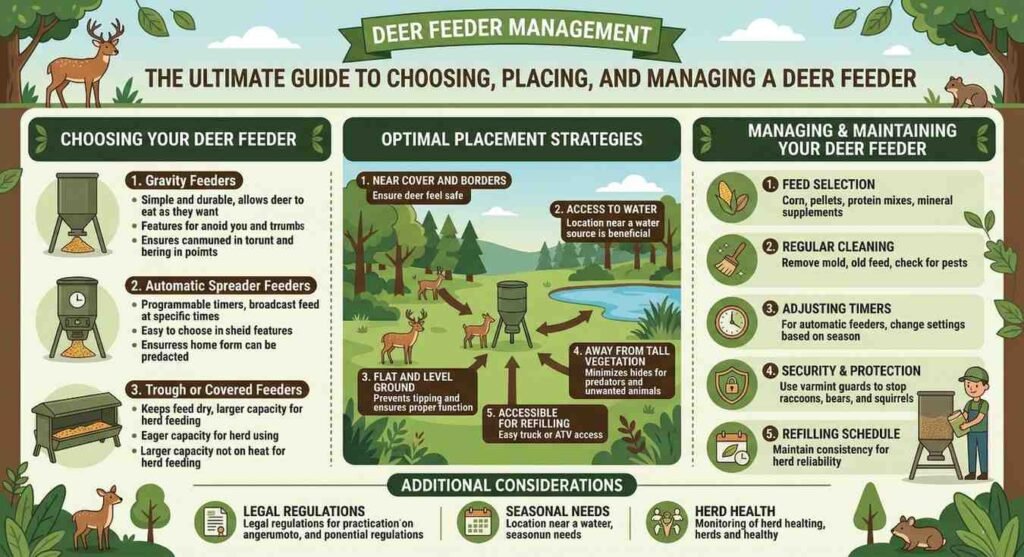
Gravity Deer Feeders
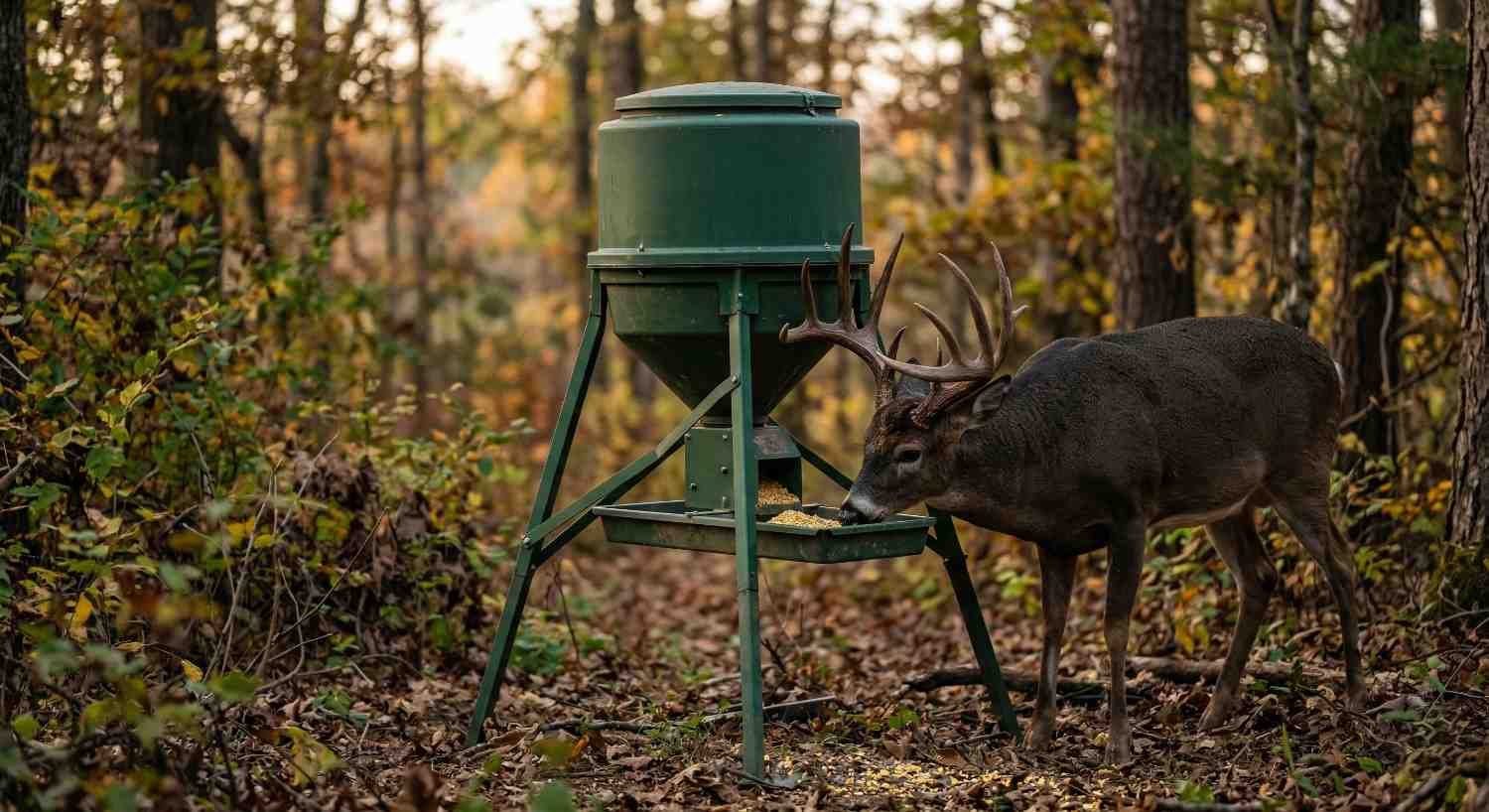
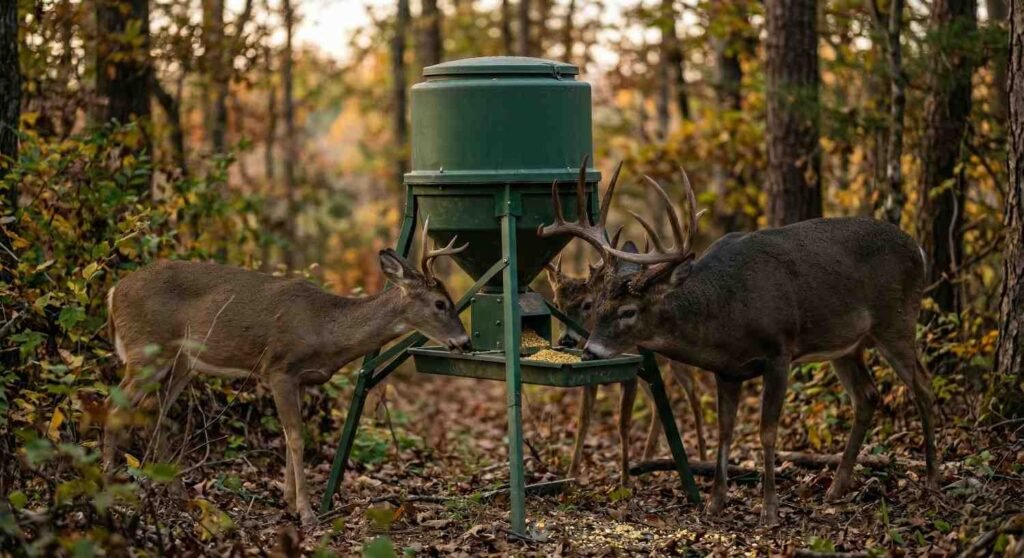
Gravity feeders are beautifully simple. They consist of a large hopper that holds the feed, which dispenses downward into feeding tubes or a tray via gravity as the animals eat.
- Pros: They have no moving parts, meaning there are no batteries to die or motors to break. They are completely silent, which is ideal for skittish, highly pressured mature deer. Furthermore, they allow deer to eat as much as they want, making them perfect for dispensing protein pellets during the antler-growing season.
- Cons: Because food is always available, you will go through feed much faster. Gravity feeders are also highly susceptible to non-target animals like raccoons, squirrels, and wild hogs raiding the supply.
Automatic Broadcast Feeders
Broadcast feeders are the most popular choice for dispensing whole kernel corn. They use a battery-powered motorized spinner plate attached to a digital timer. When the timer goes off, the spinner throws the feed in a 360-degree radius around the feeder.
- Pros: They offer ultimate portion control. You can set exactly what time the feed dispenses and how long the motor spins, extending the life of your feed supply. This also conditions the deer to visit the area at specific times during daylight hours.
- Cons: The sudden noise of the spinning motor can temporarily spook older, cautious animals. They also require regular battery maintenance and are prone to mechanical failures if the feed gets wet and clogs the spinner.
Trough Feeders
Trough feeders are simple, V-shaped or U-shaped wooden or metal troughs, often built with a roof over the top to protect the feed from rain and snow.
- Pros: They are incredibly easy to fill and can hold a massive amount of mixed feed, including bulky items like alfalfa cubes, protein pellets, and corn. Multiple deer can eat from a trough at the same time, reducing aggression among the herd.
- Cons: They are open to the elements and all types of wildlife. If not managed carefully, feed left in a trough can quickly grow harmful mold after heavy rains.
What is the Best Deer Feeder Food?
Filling your deer feeder with the right nutrition is just as important as the hardware itself. The “best” feed largely depends on the time of year and your specific wildlife management goals.
Whole Kernel Corn
Corn is the most universally used attractant in automatic broadcast feeders. It is relatively inexpensive, flows smoothly through motorized spinners, and deer absolutely love the taste. Corn is high in carbohydrates, providing an excellent source of quick energy and fat-building calories that help deer survive freezing winter temperatures. However, corn is very low in protein (usually around 8%), meaning it shouldn’t be the only thing you feed them if you want a healthy herd.
Protein Pellets
If your goal is to grow larger antlers and support the overall biological health of the herd, protein pellets are essential. These are typically formulated with 16% to 20% protein, alongside crucial vitamins and minerals like calcium and phosphorus. Protein is best served in gravity or trough feeders during the spring and summer months. Note that protein pellets break down quickly when wet, so your feeder must be completely weather-resistant.
Specialized Mixes and Minerals
Many property managers choose to create custom blends, mixing corn with roasted soybeans or black-eyed peas to balance carbohydrates with protein. Additionally, establishing mineral licks or offering mineral-enhanced feed near your primary deer feeder will further supplement their diet, aiding in bone growth and digestion.
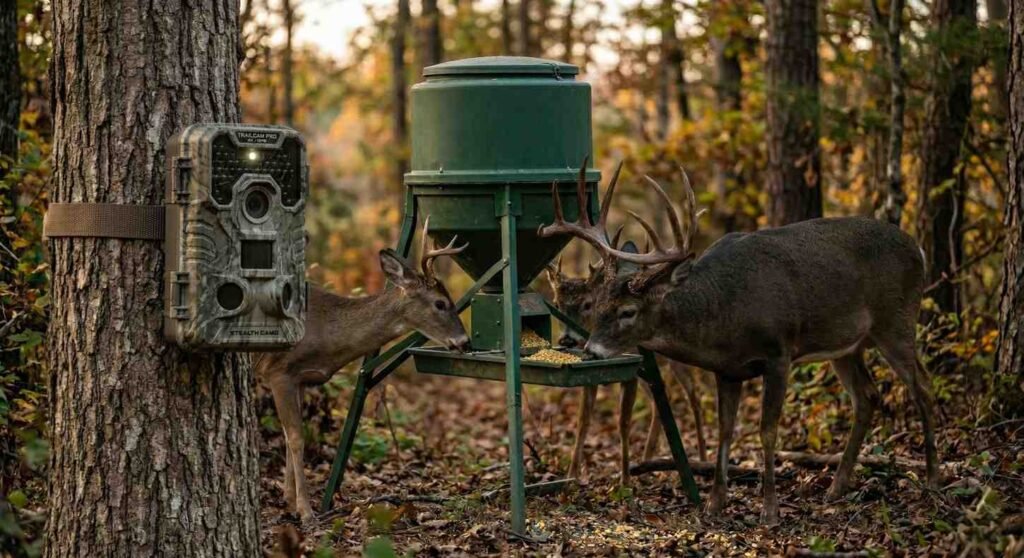
Perfect Placement: Where to Set Up Your Deer Feeder
You can buy the most expensive equipment on the market, but if you put it in the wrong spot, the deer simply won’t use it. Placement requires a strategic understanding of deer behavior and terrain.
Prioritize Cover and Safety
Deer are prey animals. They are naturally cautious and prefer to stay out of the open, especially during daylight. Never place your feeder in the dead center of a massive, wide-open field. Instead, tuck it just inside the treeline or in a transition zone between thick bedding cover and open feeding areas. This allows the animals to feel secure while they eat, making them much more likely to visit during the day.
Consider Wind Direction and Scent
If you are placing a feeder for hunting or observation purposes, always factor in the prevailing wind direction. You want the feeder positioned so that the wind blows your scent away from the travel corridors the deer use to approach the area.
Proximity to Water Sources
A deer’s diet is incredibly dry when eating grain and pellets. They will naturally seek out water immediately after feeding. Locating your deer feeder within a few hundred yards of a reliable water source—like a creek, pond, or a man-made water trough—will significantly increase daily activity.
Keep a Safe Distance from Property Lines and Roads
To protect the herd, always place feeders well within the interior of your property. Placing them too close to busy roads increases the risk of vehicle collisions. Additionally, putting them directly on property lines can draw deer off your land and create disputes with neighboring landowners.
Legal Considerations and Ethical Feeding
Before you purchase your first bag of feed, it is absolutely critical to check your local laws. Wildlife regulations vary wildly between countries, states, and even specific counties.
- In the United States: Many states have strict regulations regarding baiting and feeding due to the spread of Chronic Wasting Disease (CWD). In some areas, deer feeders are completely banned to prevent the unnatural congregation of animals, which spreads the neurological disease through saliva. In other states, feeding is legal year-round, or only during specific times outside of hunting season. Always consult your state’s Department of Natural Resources (DNR) or wildlife agency.
- In the United Kingdom: While supplemental feeding for wildlife management and estate stewardship is widely practiced, it is important to follow best practices to avoid attracting pests or causing localized environmental damage. The British Deer Society provides excellent guidelines on ethical winter feeding for species like Red, Roe, and Fallow deer.
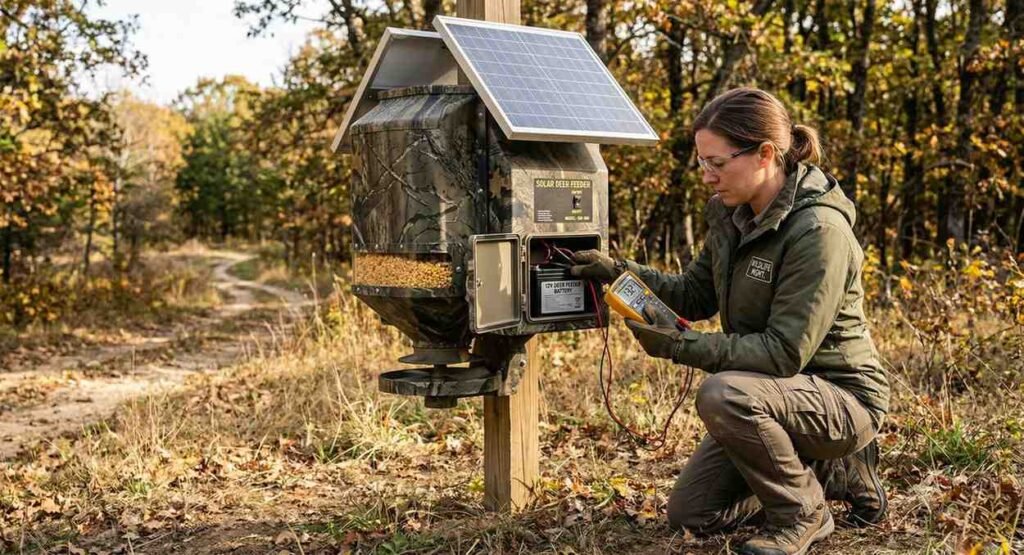
Maintenance and Upkeep for Longevity
A deer feeder is an investment, and like any piece of outdoor equipment exposed to harsh weather 365 days a year, it requires routine maintenance to function properly and keep the animals safe.
1. Power Management
If you are using an automatic broadcast feeder, the battery is the heartbeat of the operation. Check the battery levels monthly. To save yourself time and money, invest in a 6-volt or 12-volt solar panel attachment. A good solar panel will keep your rechargeable battery topped off indefinitely, meaning you only have to visit the site to refill the feed.
2. Moisture and Mold Prevention
Moisture is the biggest enemy of supplemental feeding. When corn or protein pellets get wet, they clump together, clogging gravity tubes and jamming spinner plates. Worse, wet feed can quickly grow aflatoxins—a type of mold that is highly toxic and potentially fatal to deer and wild birds. Always check your hopper for cracks, ensure the lid is tightly sealed, and completely clean out the inside of the feeder before refilling it if you suspect moisture has breached the container.
3. Pest Proofing
Raccoons, squirrels, and bears are notorious for destroying deer feeders. Raccoons will climb the legs of a tripod feeder, hang from the spinner plate, and spin the feed out themselves. To prevent this, install varmint guards (metal cages) around the motor mechanism. If bears are a problem in your area, consider suspending the feeder high from a sturdy tree limb using a heavy-duty winch cable, rather than using a standard tripod setup.
Conclusion
Integrating a deer feeder into your property is one of the most rewarding steps you can take as a wildlife manager, outdoor enthusiast, or hunter. By providing a reliable source of supplemental nutrition, you are directly contributing to the health, survival, and genetic potential of your local herd.
Remember that success doesn’t happen overnight. It takes time for deer to adapt to a new food source. Choose a feeder style that matches your goals, fill it with quality nutrition, place it strategically near cover and water, and maintain it diligently. Over time, you will watch your property transform into a thriving haven for healthy, magnificent wildlife.